
Wedding Photography for Couples Who Hate Posing
You do not need to perform or know how to pose. A documentary-led photographer can observe most of the wedding and use simple direction for a short portrait session. The best preparation is a realistic timeline, trust and agreement about how much intervention feels comfortable.
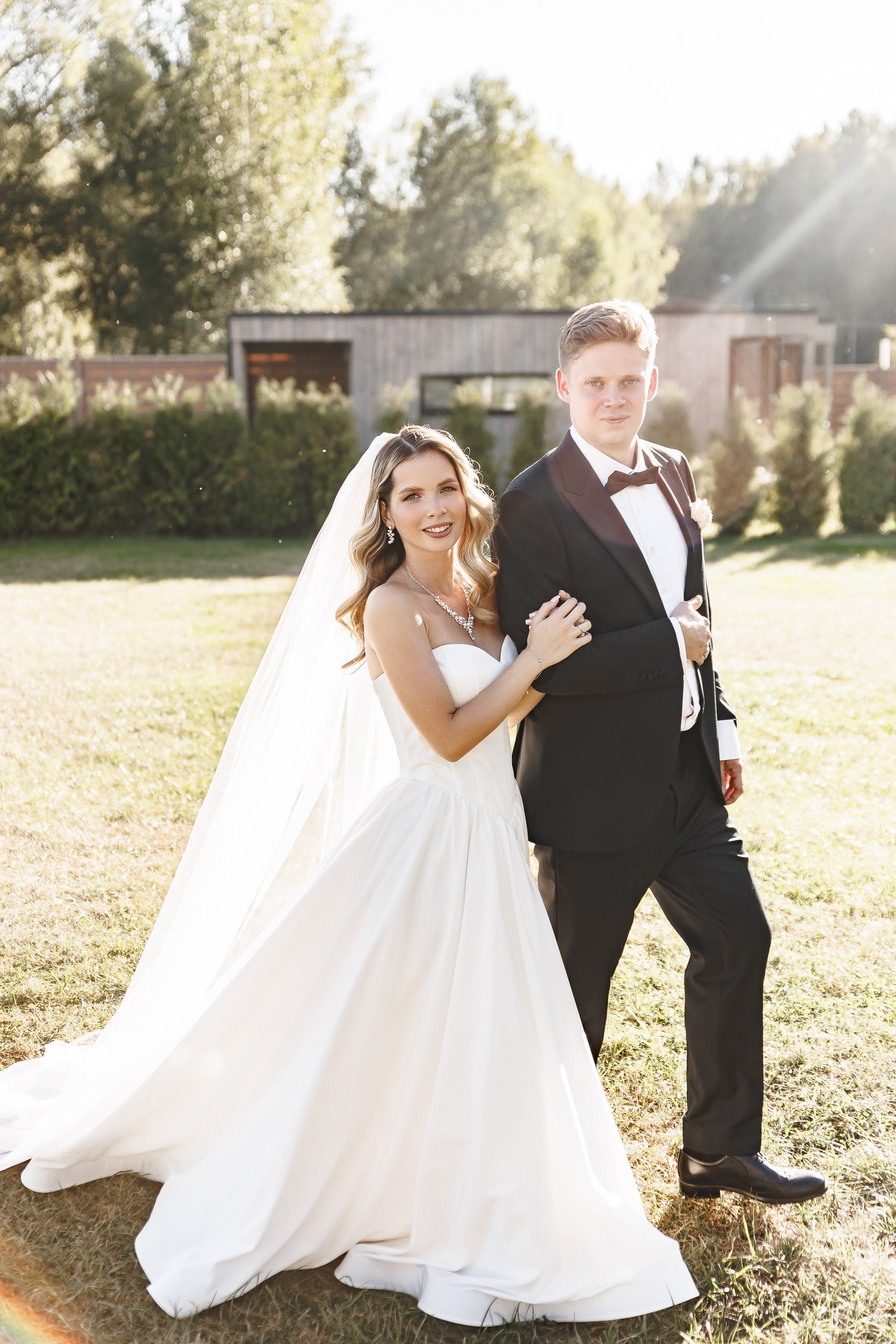
Feeling uncomfortable is normal
Most couples are not accustomed to being photographed for long periods. Discomfort usually comes from not knowing what is expected, being separated from guests for too long or receiving instructions that feel unrelated to how the couple naturally interacts.
The solution is not to practise a catalogue of poses. It is to choose a working approach that does not require constant performance.
Let most of the day remain documentary
During preparations, the ceremony, congratulations, dinner and dancing, there is usually no need to think about the camera. Real activity gives you somewhere to place your attention. The photographer follows relationships and anticipates moments rather than repeatedly asking people to look towards the lens.
This is why complete galleries matter. They show whether a photographer can produce a full story without turning every part of the wedding into a portrait session.
Keep portraits focused and short
Twenty to thirty calm minutes can be enough for a useful set of couple portraits when the location and light have been considered beforehand. More time is not automatically better. Fatigue becomes visible when a session continues after the couple has stopped engaging with each other.
I usually begin with simple movement or a comfortable position, then adjust light, background or hands only when necessary. The aim is to create structure without making the couple hold an unfamiliar character.
Tell the photographer what you dislike
Specific information helps. You might dislike prolonged eye contact with the camera, dramatic poses, close-up photographs or public direction in front of guests. Discussing that before the wedding is more useful than saying only that you are “not photogenic”.
Also share photographs of yourselves that feel natural. They reveal how you stand together and which expressions you recognise as your own.
Protect the timeline from pressure
Portrait anxiety increases when the schedule is already late. Avoid building several distant photo stops into the day. One suitable area near the ceremony or dinner allows the photographer to work without turning transport into a deadline.
Family groups should be planned separately with a short list and one person who can find relatives. That keeps formal photographs efficient and prevents the couple from organising people while standing in front of the camera.
What good direction sounds like
Useful direction is clear and temporary: move into this light, walk together, pause here, or turn slightly towards each other. It gives the couple an action without prescribing an emotion. The photographer should also know when to stop speaking and let a moment develop.
Before booking, ask how much of the day is directed and review a complete documentary wedding story. The right photographer should be able to explain the process without promising that you will simply forget a camera exists all day.