
How Many Hours of Wedding Photography Do You Need?
Four hours can cover a compact ceremony and portraits in one area. Six hours can include preparations, ceremony and the beginning of dinner. A full 10–12 hour commission is appropriate when you want the complete story from preparations through the evening. Travel and transitions matter more than the number of photographs you want.
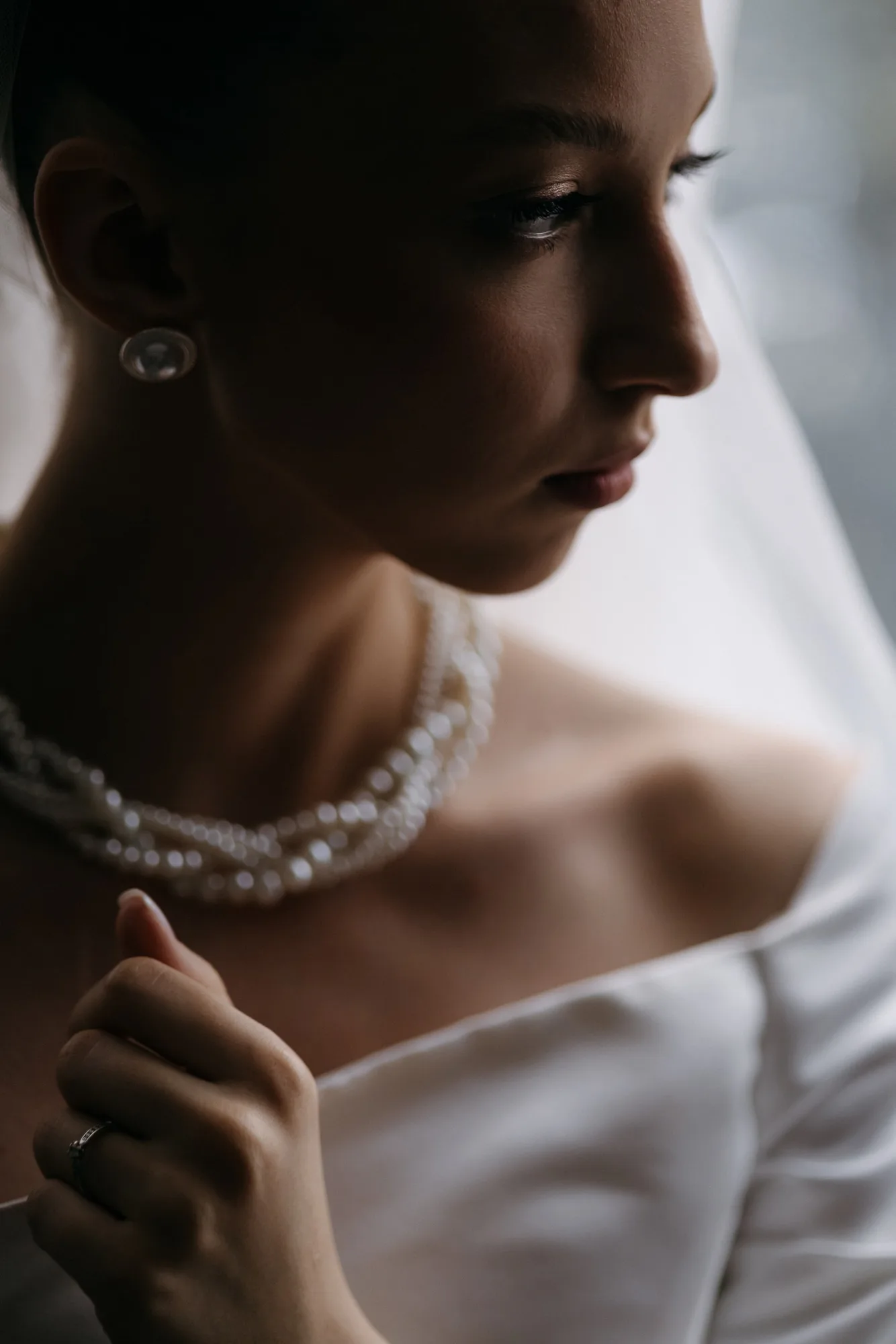
Start with events, not a package name
List the moments you want documented: final preparations, ceremony, family photographs, time with guests, portraits, speeches, first dance and the later party. Then add realistic travel and transitions. Coverage should begin before the first essential moment and end after the last one.
The number of delivered photographs follows what happens during those hours. Booking longer coverage solely to receive more files usually produces repetition rather than a stronger story.
When four hours is enough
Four hours works for an elopement, registry ceremony or intimate wedding in one compact area. It can include final preparations, the ceremony, congratulations, family groups and a focused portrait session. A short meal may fit when it is nearby and has no long programme.
Four hours becomes tight when preparation locations are separate, guests need transport or the couple wants both a portrait location and reception coverage. Thirty minutes spent moving is thirty minutes not spent photographing people.
What six hours can cover
Six hours can connect more of the story: preparations, ceremony, portraits and the opening of dinner. It suits a wedding without a late programme or a couple who does not need the final dance floor in the gallery.
The compromise is usually at one end of the day. Starting earlier may mean leaving before speeches or dancing; staying later may mean beginning immediately before the ceremony. Decide which part carries more meaning rather than dividing time evenly.
When 10–12 hours makes sense
Full-day coverage is useful when preparations, ceremony and evening programme all matter. It also gives the photographer time to show the people around the couple, the venue changing from daylight to artificial light and the quieter transitions that make a gallery feel complete.
Long coverage is not automatically necessary for a large guest list. It is justified by the schedule: early preparations, several meaningful events, a later first dance or a planned finish worth photographing.
| Coverage | A realistic use |
|---|---|
| 4 hours | Compact ceremony, congratulations and portraits |
| 6 hours | Preparations or early dinner added to the ceremony story |
| 10–12 hours | Preparations through speeches, dancing and the evening atmosphere |
The hidden cost of transfers
Destination weddings often look simple on a map. Loading people into vehicles, finding entrances, parking, walking through a property and waiting for delayed guests takes longer than the route estimate. One property usually gives the gallery more variety than several rushed locations because the photographer can follow relationships instead of logistics.
Before booking, place every address on one timeline and add margin. If the schedule only works when every transfer is exact, reduce locations or increase coverage.
A practical way to decide
Send the current timeline even if it is incomplete. I mark the first and last essential moments, test the transitions and suggest the shortest coverage that can tell the intended story without rushing it. The confirmed hours, travel terms and delivery deadline then belong in the contract.