
Editorial vs Documentary Wedding Photography
Documentary photography records people and events as they happen. Editorial photography uses deliberate light, composition and direction. For most weddings, the strongest approach is not choosing one label but understanding when the photographer observes and when they intervene.
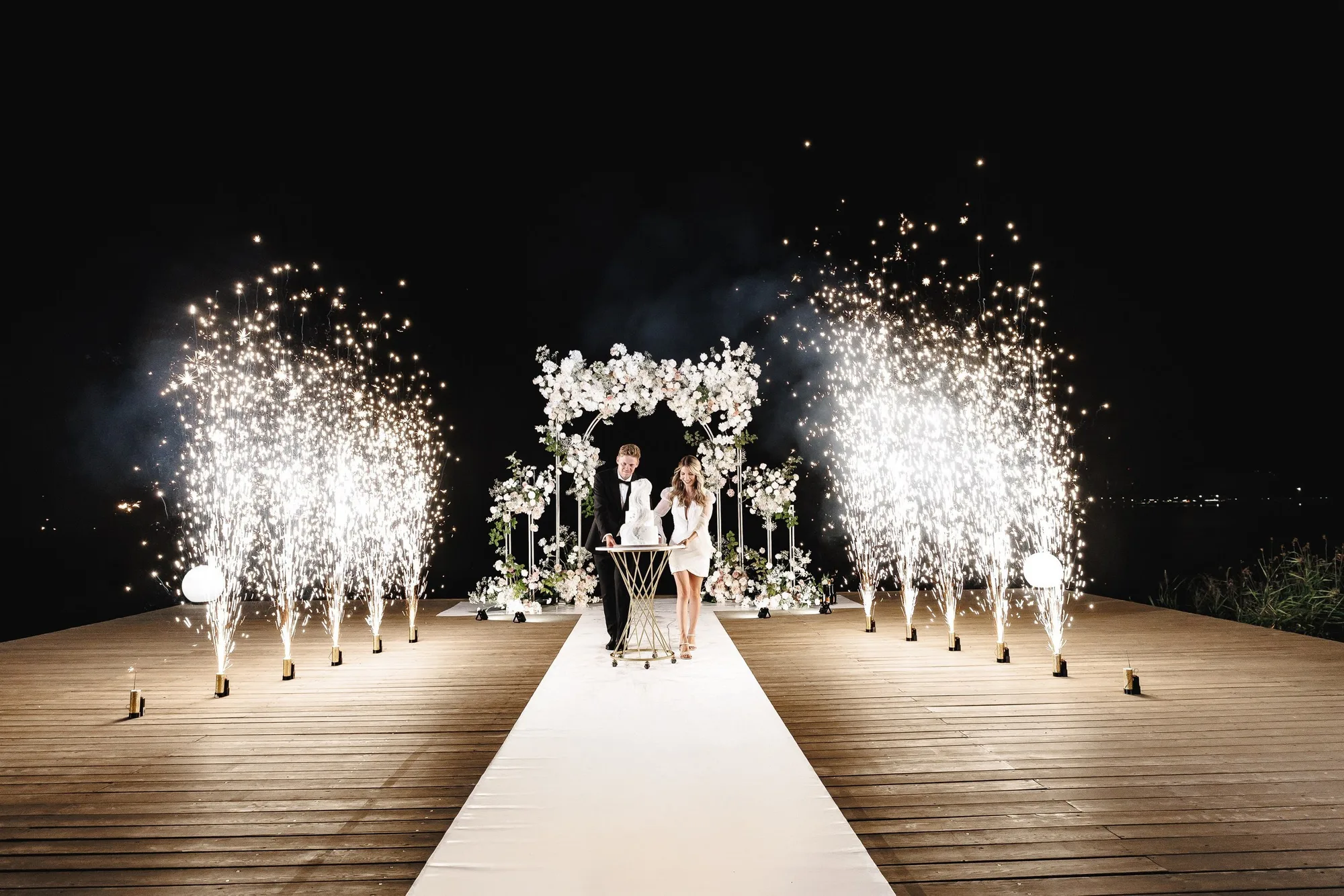
What documentary wedding photography changes
Documentary coverage begins with attention rather than instruction. The photographer watches who matters to the couple, anticipates reactions and works through the transitions between scheduled events. A parent waiting outside the ceremony, friends talking during dinner and the change in energy when dancing begins are all part of the story.
The advantage is emotional accuracy. People are not asked to repeat a laugh or rebuild a conversation. The limitation is that documentary work depends on what genuinely happens, the available light and the photographer’s ability to see a moment before it disappears.
What editorial wedding photography changes
Editorial photography is more deliberate. The photographer may choose a cleaner background, move the couple towards better light or suggest a simple action. Details are composed carefully and portraits are refined without needing to look rigid.
Direction should have a purpose. It can solve difficult light, help a nervous couple settle or create a clear portrait for an album. It becomes intrusive when the schedule repeatedly stops so that real events can be recreated for the camera.
How I combine the two approaches
I use documentary observation for most of the wedding and editorial direction where it adds value. Preparations, the ceremony, congratulations, speeches and dancing are allowed to unfold. Portraits receive calm guidance, usually in one focused part of the schedule rather than through repeated interruptions.
This balance is visible only in a complete wedding portfolio, not in a page of isolated favourite images. A highlight can be strongly editorial while the rest of the delivered gallery tells very little about guests or the pace of the day.
What to look for in a portfolio
Review several full stories and ask:
- Are people other than the couple photographed with attention?
- Do portraits still look connected to the wedding around them?
- Are ceremonies and receptions handled consistently in difficult light?
- Does the sequence have a beginning, development and ending?
- Can you tell when the photographer directed a frame, and does that direction feel natural?
The aim is not to count documentary or editorial photographs. It is to decide whether the balance matches how you want to experience the day.
Which approach should you choose?
Choose documentary-led coverage if being present with guests matters more than producing a long portrait session. Choose a more editorial balance if fashion, design and deliberately constructed portraits are central priorities. In either case, ask how much time the photographer needs and which parts of the wedding they normally direct.
Style labels are useful for starting a conversation. The final decision should come from complete galleries, a clear explanation of the working process and a contract that describes what you will receive.